

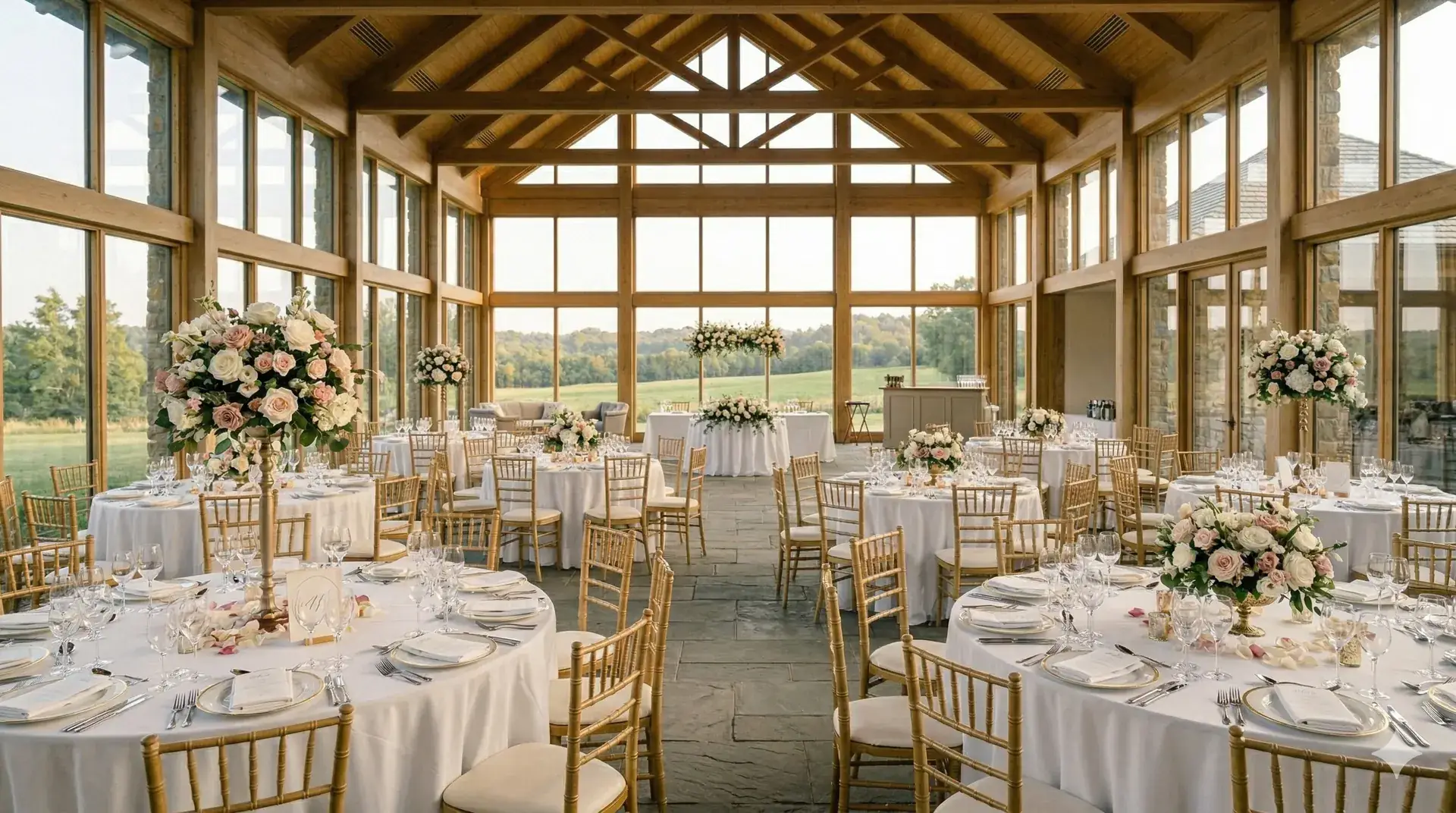
From longer lead times to changing budgets and booking behaviours, couples are approaching wedding planning differently as we head into 2027 and beyond. That means new opportunities for forward-thinking venues!
We've combined UK wedding industry data with real conversations from the venues we work with. Here's what's changing, what it means for your venue, and how to stay ahead with confidence.
1. Ghosting is on the rise: fight it with value, not discounts
The problem: More couples are disappearing after venue tours, especially when pricing isn't clear upfront. According to Bridebook, 59% of couples won't even get in touch if they can't see starting prices online, and venues using “Price on Application” (POA) see significantly higher ghosting rates.¹
How to fix ghosting
- Be transparent with pricing from the start. It's one of the questions we get asked the most! Include a clear “Prices from £X (peak) / £Y (off-peak)” message on your website to help couples qualify themselves. Save the detail for your downloadable brochure, which can break down inclusions, packages and upgrade options.
- Offer emotional add-ons, not discounts. Incentivise without cheapening the experience. Extra morning prep time, a canapé taster session or access to your favourite styling props can feel generous and personal.
- Add value with a personalised sales funnel. Be clever with your sales process so it feels like every lead has had a personal follow-up. Many couples will judge you on the shopping experience, and other venues are getting smarter with theirs. After a tour, revisit the passion points or worries you discussed. Did they love the view at sunset? Were they worried about guest accommodation? Show you were listening. Automated follow-ups in a venue CRM make it much easier to do this consistently for every lead.
2. Couples are booking further out and leaving gaps in your calendar: educate them
The problem: While the last few years saw plenty of quick-turnaround weddings, many couples are now booking 15 to 24 months ahead. That creates gaps in your near-term calendar (especially for 2027) and shifts revenue too far forward.
How to fill the calendar gaps
- Educate, educate, educate. Many couples don't realise it's possible to plan their dream wedding in under a year. Remember, your couples have never been through the planning process before! Share success stories, 9 to 12 month planning timelines and vendor recommendations to give them confidence.
- Protect future prime dates. Be mindful of steering too many bookings into your remaining off-peak or midweek dates in 2027. Some couples would be very happy to choose a peak weekend in 2028, so you could unintentionally hurt your long-term revenue.
- Highlight the opportunity. Have honest conversations with couples. If their ideal date is free next year, help them see how it's achievable with the right support, and position it as an exciting opportunity rather than a rush job. Have they thought about putting some of their budget towards a wedding planner to make their dream happen on their ideal date?
3. Couples expect prices to be available online: don't lose out on leads
The problem: Venue owners often feel unsure about when to introduce pricing. But failing to lead with clarity can reduce trust and increase time-wasting leads. Couples are taking longer to research online and then only getting in touch with a handful of venues they love. Make sure they don't skip over you because they can't find your pricing.
How to get your pricing seen
- Let your website filter for you. Add a pricing statement like “Weddings from £9,500 (peak season) and £6,500 (off-peak)” so couples can qualify themselves before reaching out. A wedding venue website built to convert makes this easy to get right.
- Use your brochure for the details. When a couple gets in touch, send a well-designed PDF that outlines what's included, guest brackets, catering upgrades and more. Make it easy to read and understand.
- Train your team. Everyone answering phones or showing couples around should be able to explain your pricing structure and what your packages include, without needing to defer or overcomplicate things. Make sure your team knows how to handle couples who try to negotiate, and empower them to offer value-added extras such as free canapés rather than discounts.
4. Two customer types are emerging, and they book differently: talk to your leads the right way
The problem: Weekday and off-peak weddings are on the rise as more couples look for value. Couples who marry on a Tuesday or Wednesday spend over a fifth less on their wedding than average.² Weekend dates still appeal to those who want a full-scale celebration, though. The risk? Marketing the same way to both audiences misses the mark.
How to speak to each type of couple
- Tailor your messaging to premium couples. Focus on luxury touches, weekend reliability, award-winning service and the feeling of “all eyes on them”.
- Tailor your messaging to value-driven couples. Highlight flexibility, value-added offers and boutique intimacy, while still making the experience feel special.
- Avoid a transactional tone. Even weekday couples want to feel special. Offers should feel curated and personal, not generic or budget-driven. There's often a temptation to push offers and discounts too hard, so resist it.
Final thoughts: strategic, human and prepared
The wedding world is changing, but so is the opportunity. If you can recognise what your couples need, communicate clearly and offer thoughtful, emotional value at every step, you won't just survive these shifts, you'll thrive through them.
Start by identifying your current weak points. Is it ghosting? Pricing conversations? Low lead conversion? Then choose one strategy per month to improve. You'll build stronger relationships, better-fit bookings and a healthier calendar year-round.
Want help putting this into practice? Book a call and we'll talk through your venue's calendar and where the quickest wins are.
Sources
- ¹ The link between ghosting and Price on Application for wedding venues (Coco Wedding Venues)
- ² BBC News
Written by the Venue Spark teamBen and Hannah and their team work only with wedding venues, helping them get found, convert more tours and fill their calendars.

 Ready to grow?